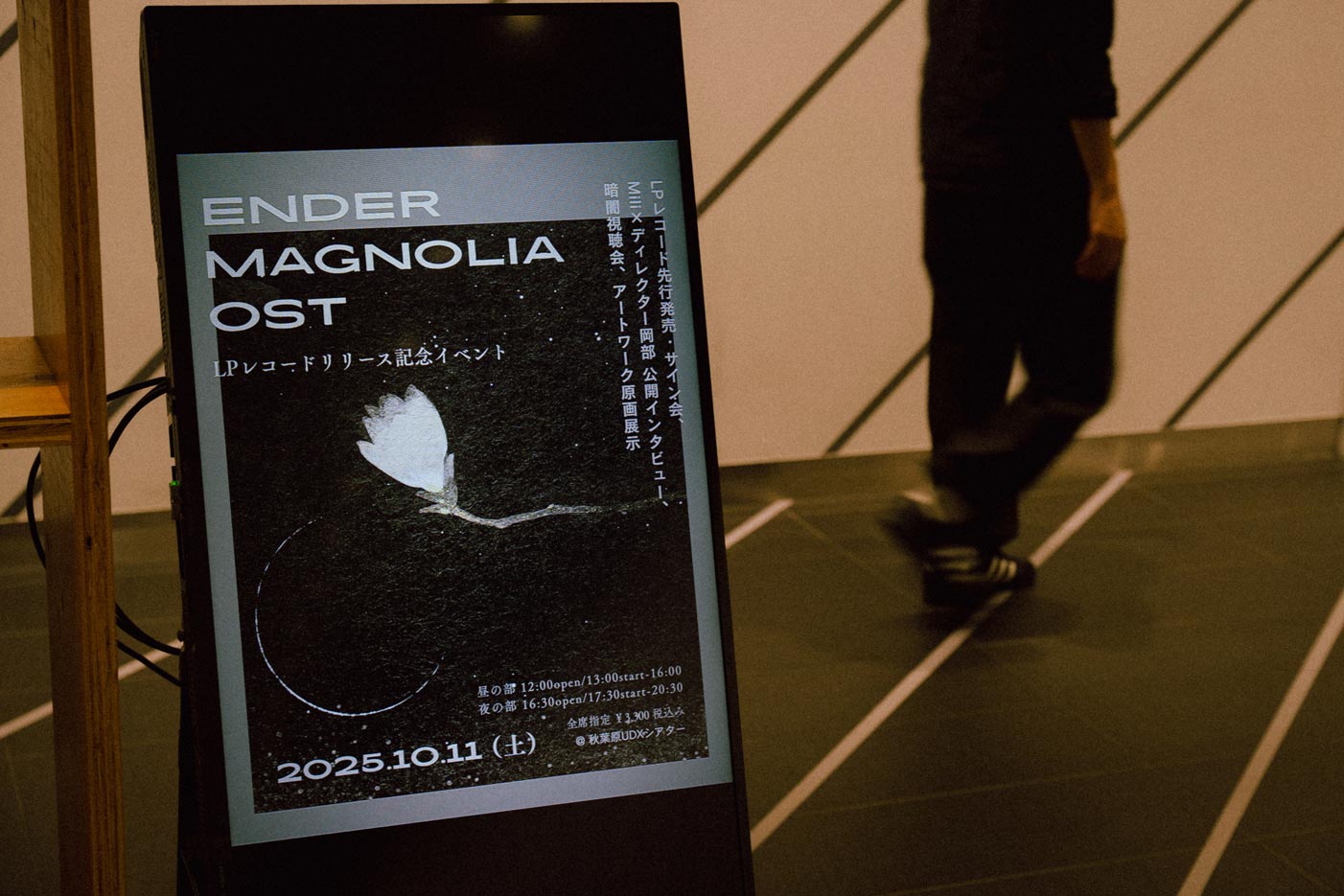
International indie band Mili announced on October 11th, “ENDER MAGNOLIA: Bloom in the Mist” original soundtrack LP record was released in advance. Along with this, a release commemorative event was held at Akihabara UDX Theater on the same day.
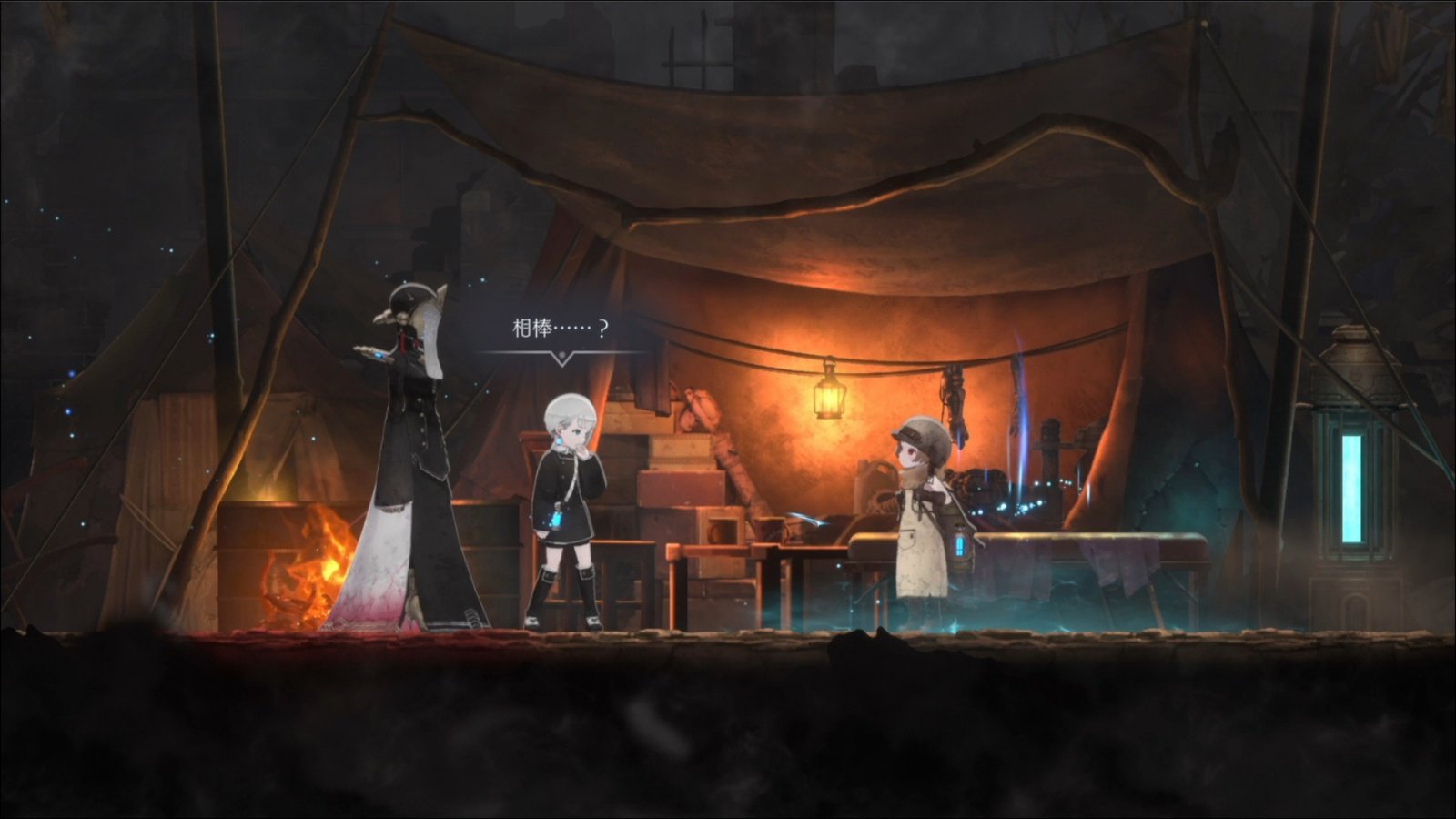
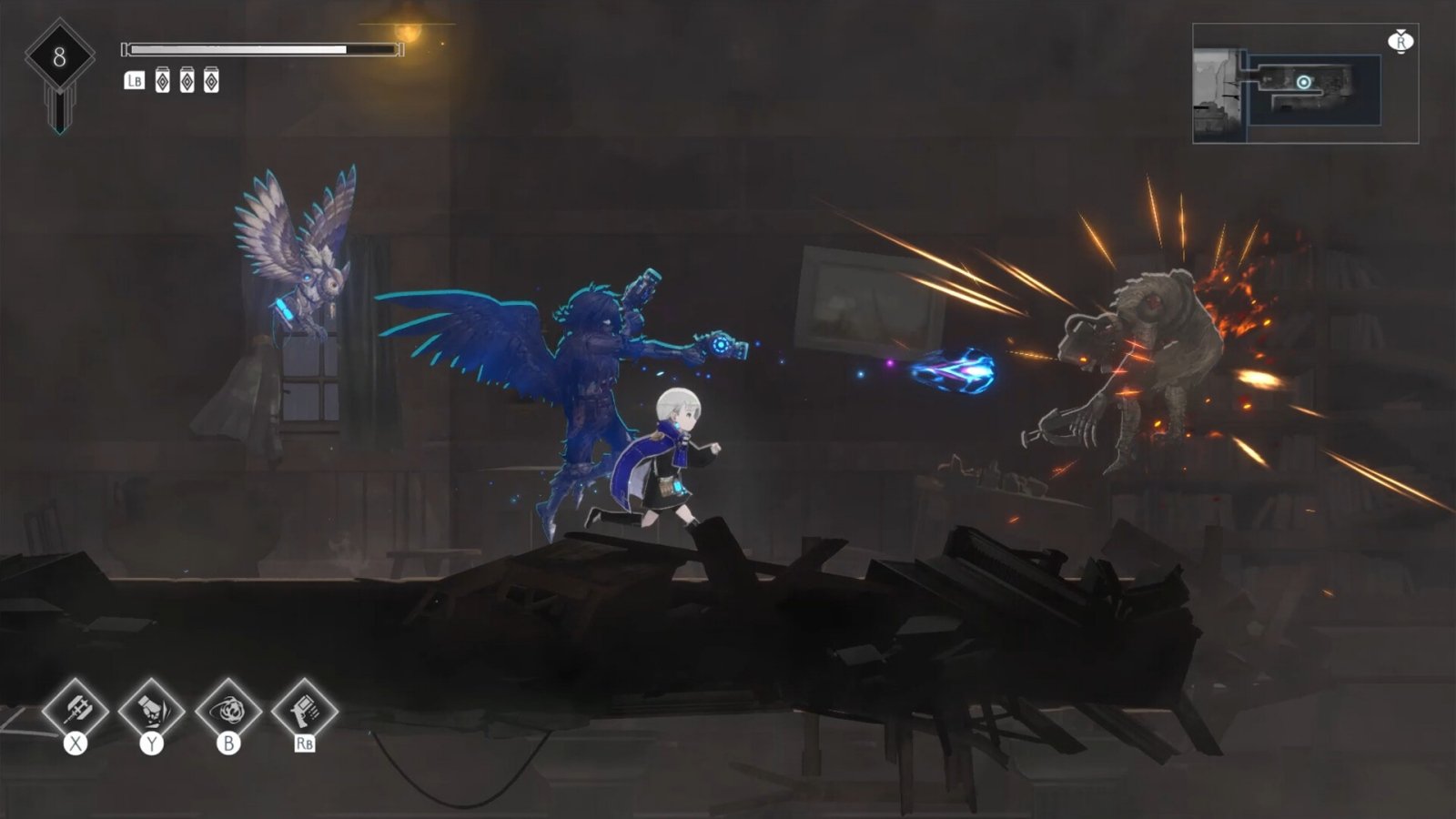
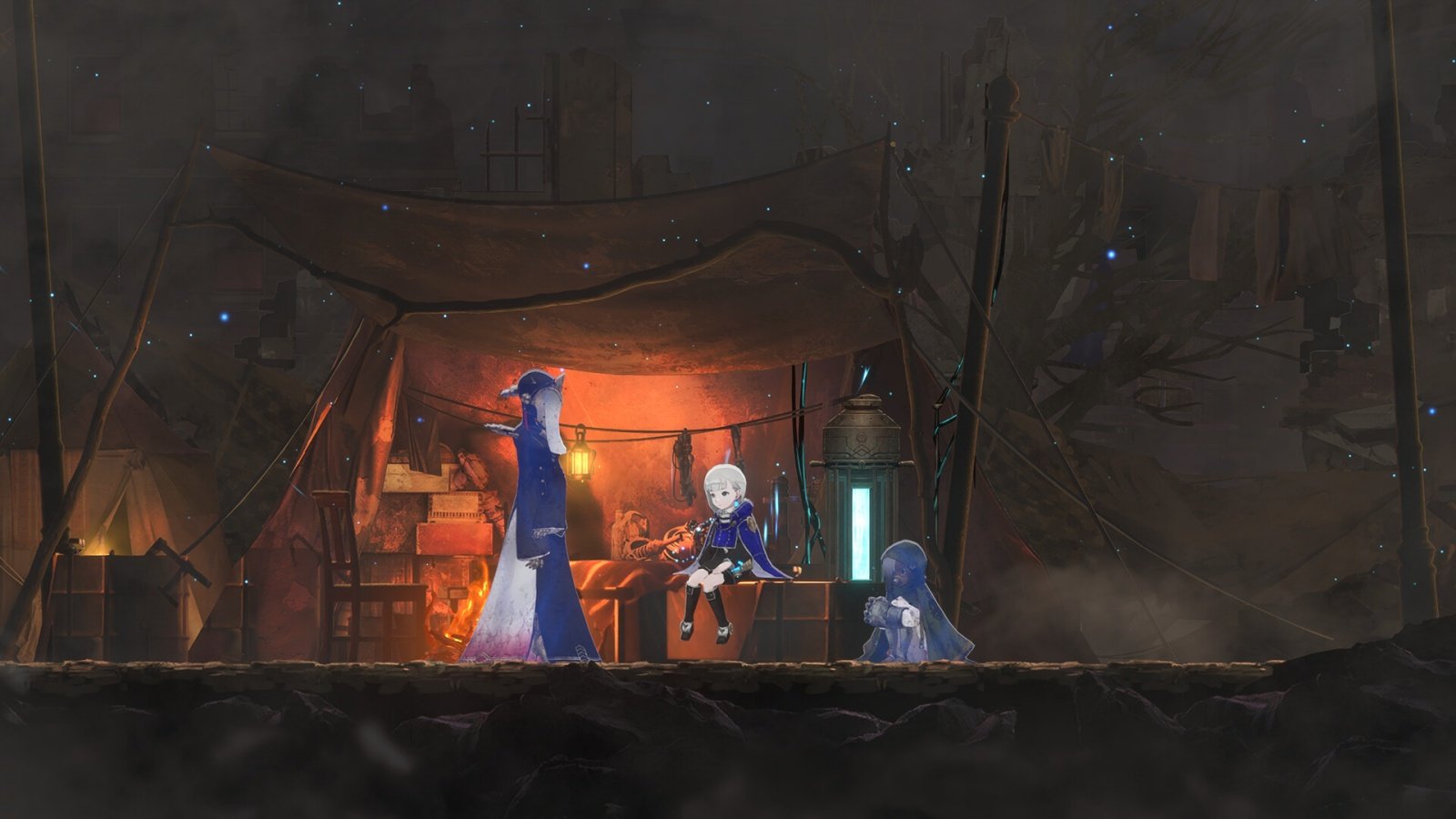
“ENDER MAGNOLIA: Bloom in the Mist” (hereinafter referred to as Ender Magnolia) is an exploration-type 2D action RPG released by Binary Haze Interactive on January 23rd of this year. It is a spiritual sequel to “ENDER LILIES: Quietus of the Knights” (hereinafter referred to as “ENDER LILIES”), and both are popular works that have received high reviews both domestically and internationally on the Steam store page and have achieved “Very Positive” status (Related articles). Another feature of this work is that it received high praise for its sound.
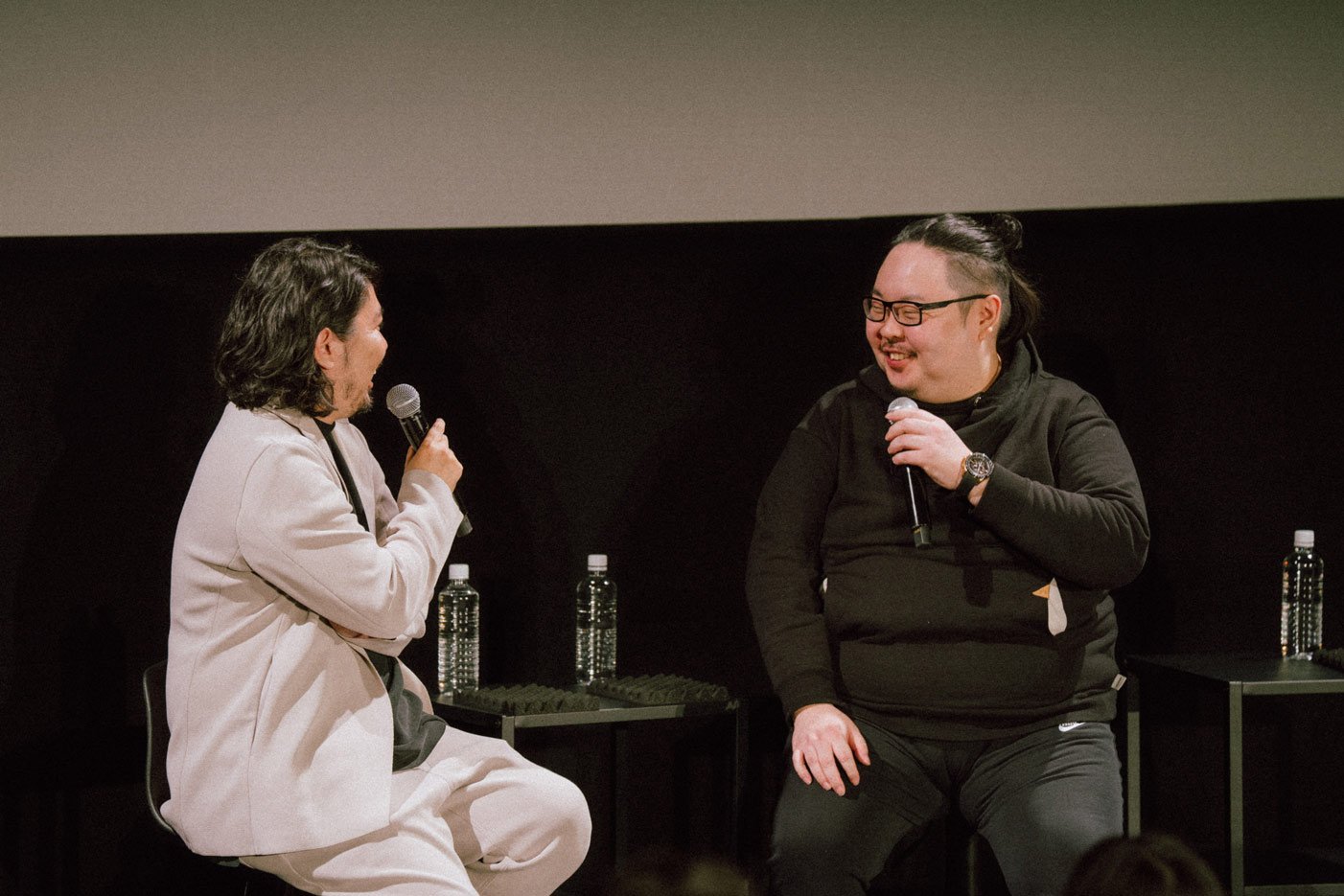
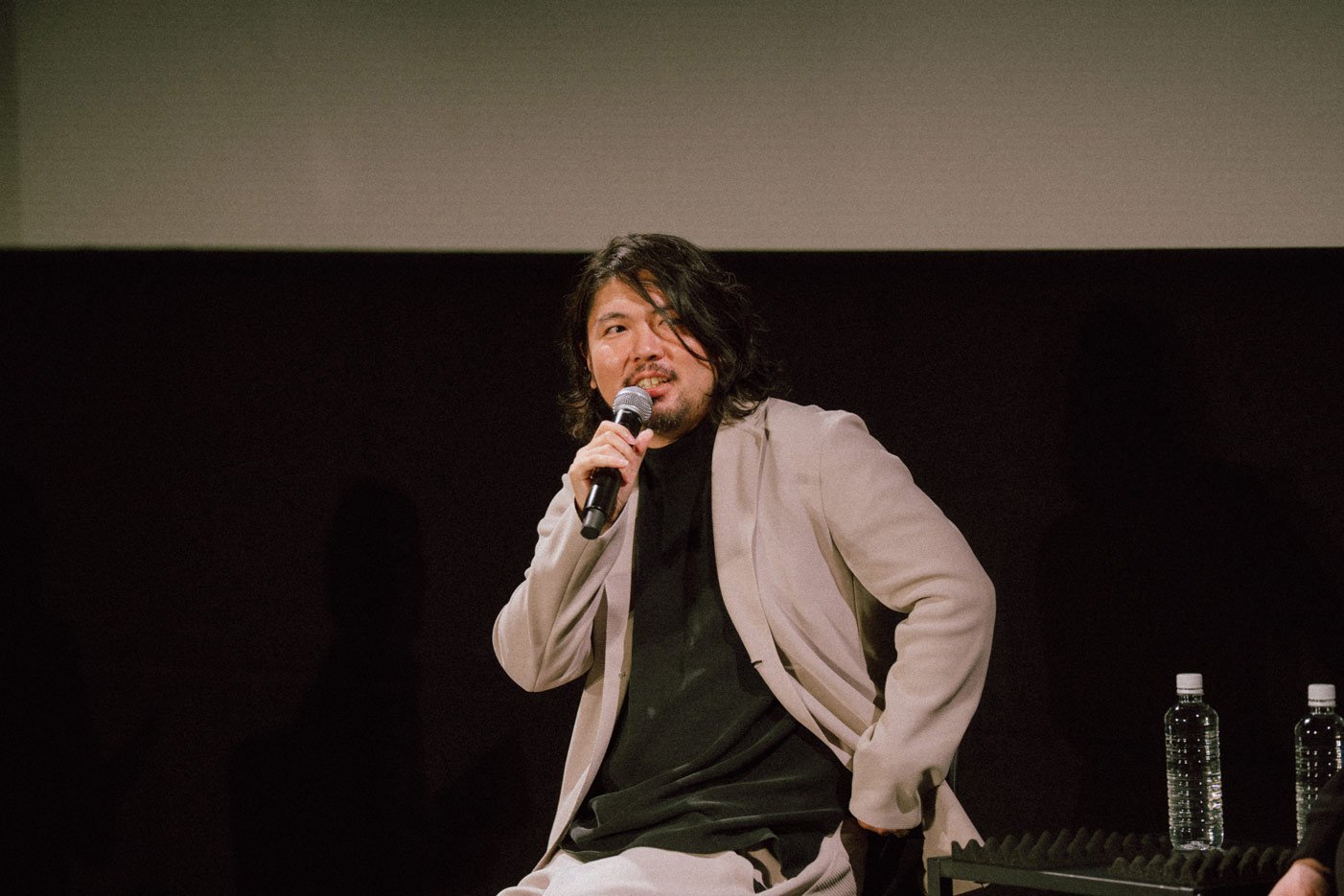
This time, an event will be held to commemorate the release of the “Ender Magnolia” OST LP record, sponsored by Mili, an international indie band that has been working on the background music for “Ender Lilies”. The event included sales of LP records and merchandise, an autograph session, a dark listening session where some of the songs from the recordings could be heard in a movie theater environment, and a talk session where public interviews were held.I had the opportunity to publicly interview three people on stage: Mili’s vocalist Cassie Wei, composer Yamato Kasai, and Ender series game director Keisuke Okabe. It was a rich event with a lot to see, both as a fan of the Ender series and as a fan of Mili, so in this article, I would like to share the contents of the 60-minute public interviews that were conducted during the daytime and nighttime sessions.
――Please introduce yourself.
Cassie Wei (hereinafter referred to as Cassie):
I’m Cassie, Mili’s vocalist.
Mr. Yamato Kasai (hereinafter referred to as Kasai):
I am in charge of composing Mili. This is Kasai.
Mr. Keisuke Okabe (hereinafter referred to as Okabe):
My name is Okabe and I am the game director for the Ender series.
Ordering can be done almost entirely by passing the keyword.
――First, I would like to ask you about the process of composing game music. Since the music composition is done in parallel with the game development, depending on the stage of the project, the music composers may not be able to actually play the stages.What kind of information do you receive to develop the images?
Mr. Kasai:
Basically, we start by receiving an Excel file from Mr. Okabe that summarizes the atmosphere of each stage. For example, there are sheets that concisely summarize information such as “Stage 1: This is the atmosphere. What happens…” and background visual materials. As the production of the game progresses, you may be able to see footage of Mr. Okabe actually playing the game over the phone. I look at it and compose the song while checking the changes in the background.
But for the most part, keywords are still your only source of information. When we were working on “Ender Lilies,” we had a shared worldview, and “Ender Magnolia” also has some continuation parts, so I created a lot of things just by looking at keywords and imagining in my head, “If this map has this kind of worldview, then this kind of song should be.”
――ExcelSharing on a sheet is surprising.
Mr. Kasai:
This is actually very efficient and easy. Since this is the world that Mr. Okabe is thinking about, I feel that it is easier for me to understand it if Mr. Okabe himself enters the keywords, and I also say, “I want the keywords.”
Mr. Okabe:
I’ve always been a big fan of Mili, and I had been listening to Mili’s songs while working on the Ender Lilies game, and I actually asked him to produce the music. And from working on the previous game, I realized that Mili has a much better grasp of the key points of making game music than I expected. There may have been some trial and error when we were working on “Ender Lilies,” but since this is our second work, we believed in its power and were able to discuss keywords and what we wanted to do with each other and move forward.
――It felt like it was pretty much left to you.
Mr. Okabe:
It depends on the song, but I felt like even if I trusted them a lot and left it to them, something really good would come out.
Mr. Kasai:
Thankfully, unless there is a clear discrepancy in perception, I am allowed to do things as freely as I want, to the point where I worry, “Is this okay? Is this the right thing?” (lol) Thanks to that, I’ve been able to try out experimental things, and I’ve been able to incorporate information into music without feeling too restricted, which I feel is a great benefit.
Mili’s songs that greatly contribute to the formation of the world view
–Mr. Okabe, how do you view the importance of music in games?
Mr. Okabe:
Music in games is very important, and I feel that the games I particularly liked, JRPGs like Chrono Trigger and Xenogears, were all about music. For example, the memorable songs that played when you entered the world map or the first time you entered a town remained in my memory along with the scenery. In my experience, the first thing that sticks in your memory about a game is the background music, and that’s when you begin to imagine the content of the game.
Also, with so many multiplayer games these days, I believe that people who choose single-player games may choose to play because of the music. Some people may be able to experience the game BGM beforehand and think that the worldview they get from the music is “good”, so I think it’s important in that sense as well.
――When creating a song, I think it’s important to choose a tone that matches the atmosphere of the stage or battle. Do you choose the tones while composing, or do you choose them again after you’ve composed the song?
Mr. Kasai:
I have an image of the tone at the beginning. While I was composing the song, I thought about things like violin, piano, or synth, taking into account the mood of the boss, how I imagined his movements, and the background. Depending on the boss, I wonder if I should go with an aggressive instrument.
Especially when the first measure of the song starts to come together, I start to think, “I want this song to be driven by this particular instrument.” We proceeded in this manner each time, and sometimes, for example, depending on the boss battle, we intentionally made it quieter or more intense to create a sense of mismatch.
――Compared to the previous work, this time I felt that there were more tones that reminded me of something artificial or mechanical. Does it look like it has been modernized due to the passage of time since the previous work?
Mr. Kasai:
Although it’s the same world, it’s set in a different era and country, and this game has a bit more steampunk elements, making it more mechanical. So, rather than the acoustic sounds and atmospheric pad-type synths of the previous work, we incorporated a lot more easy-to-understand synth sounds and guitar sounds. I feel like the percussion and drums have a lot more distinct sounds compared to the previous album.
At first, I had a hard time expressing this “same world but different countries” part. I’m worried that if I keep making it with the same feel as Ender Lilies, it will feel too much of a continuation, and if I make it something completely different, people might think it’s not the Ender series. I was worried about the seasoning.
――Were there any songs that were difficult to produce?
Mr. Okabe:
There were really few retakes. There are characters like ninjas and samurai in this work, but it feels like they were created simply because they wanted to have those characters, so they have little connection to the worldview. I thought that Kasai-san would be able to connect me with the sound, but I ended up relying on the power of music. I thought that Kasai must have been troubled by that.
Mr. Kasai:
Actually, I had some leeway in that respect. I’ve always been good at adding a Japanese approach to classical sounds, so it was pretty easy to do. Most of the instruments used are from Western culture, but just by mixing in old Japanese percussion instruments, it becomes harmonious. This is an approach that is used not only in games but also in various theatrical accompaniments.
As for the song that became a battle with myself, I would say “Symbiosis」That’s right. “Ender Lilies”cliff village songI wanted to draw something of the same quality, with an image that would be a counterpart to that, and the song about the village on the cliff is a really good song. So, the challenge was how to overcome that on my own.
――Were there any difficulties in forming the worldview of the game?
Mr. Kasai:
It was difficult to put all the songs together because I had to think about the concept and sense of unity based on the fact that it is one game, one miniature garden. While expressing a single, cohesive series, I also had to decide where and how far I wanted to create it, and that was all about the tones of the tracks I used.
For example, there was a time when I wanted to use an accordion, but then I thought to myself, “I don’t think there’s an accordion in this world.” In order to unify the worldview, I select a certain number of instruments to use, but I also have to decide how far I want to expand or narrow them. I decided on it while thinking about what kind of music and sounds I wanted to play in the world of Ender Magnolia that I envisioned. Of course, it’s also a lot of fun trying to create a sense of world unity and creating music that expresses that.
――The previous work “MOTHER” is a song with an intense yet sad piano melody, and the title of the song, coupled with the scene in which it plays, touched my heart. I think this is related to the worldview of the game, but could you tell me who decides the song titles and what process they go through?
Mr. Kasai:
Basically, all the song titles are decided by me.
Mr. Cassie:
I wrote the lyrics for the main theme, so I decided on the title, and everything else was written by Kasai.
Mr. Kasai:
While looking at the Excel documents that contain the various information that Mr. Okabe gave me, I think about “what kind of background would make my heart warm?” including the characters and story. As for the song titles, I think that most people who play the game will play the game without knowing the song title, but I thought it would be nice to have a title that would make people jump when they learn the song title later.
――For example, in the lyrics of vocal songs, you can hear phonemes that sound like English, French, or Latin, but if you listen closely, it doesn’t seem to be from a specific Earth language. I think you created a stateless, imaginary language, but what was the process behind it?
Mr. Cassie:
Most of the vocal songs are played as background music on stage, and I wrote and sang the lyrics. I looked at the background of each stage, imagined that “this city might be a little similar to that country in the real world,” and pronounced it while imagining the language of that country. The premise is to unify everything in a fictional language, but I had the idea that it would be okay to have dialects within that world. For example, the people on this stage have a bit of a European vibe, so in the song “Symbiosis” I decided to include a phoneme that sounds like the French R sound. This other town had an atmosphere like an Asian market, so the song “DignityIn the song “La La La, Lai Lai”, sounds like the Chinese word “Come Come” are mixed in.
In “Ender Lilies,” there was a vocal song sung in a fictional language, but I felt it had a vaguely European feel to it, so I thought it would be nice to have a Latin-like sound, and I wrote the lyrics in a flow that mixed the sound of “lily” into it. For example, something like “Li-li-lia”.
――I really like fictional languages related to games, so this was an interesting story. Doesn’t Mr. Okabe provide any direction for writing lyrics in a fictional language like this?
Mr. Okabe:
As I mentioned earlier, the information regarding the stage image itself is created in a spreadsheet and distributed, but it feels like we were listening to this together from the fans’ perspective (lol).My impression was “Wow.”
Although it is an action game, the difficulty level has been adjusted to make it play like an RPG.
――I would also like to ask you about how you create the main part of the game, but could you give me a rough overview of the flow and how the difficulty level of an action game is adjusted?
Mr. Okabe:
I’m the director of a big game and the game designer is separate, so I can’t talk about everything in detail, but in the games we’re making, we basically aim for the boss battles to be similar to the actions that take place during the battles on the road.
We’re trying to make boss battles easier to play based on the experience you’ve had along the way, or rather, we’ve created a flow where even people who aren’t good at action can learn that you can avoid them by jumping before taking on the challenge. We strive to give players the illusion that they are doing well, and to make them feel like they are playing well.
Mr. Kasai:
During the production process, when I have the opportunity to play the game a couple of times, I want to get a feel for it, so I ask, “Wouldn’t it be more difficult?”, but Mr. Okabe always says, “I don’t want it to be difficult, but I want it to be something that feels challenging.”
Mr. Okabe:
I agree. I think games that are called “death games” have that quality, but I think it would be nice if the games we created could grow with experience points, and could be played in a slightly RPG-like way. I’m not good at action games myself, so I think I was able to create it well while consulting with the game designer.
――Mr. Okabe, are there any challenges you would like to take on in future game production?
Mr. Okabe:
We had Mili create a lot of songs for both the previous game and this one, but in reality, there are songs that only play once during boss battles in the game. I often listen to field songs for a long time, but I thought it was a shame that there were other songs that I rarely listened to repeatedly during the game.
For this reason, I would like to create a game in the so-called JRPG category, increasing the game volume and making it possible to listen to songs more repeatedly during boss battles and in the field.
――I’m looking forward to it!
『ENDER MAGNOLIA: Bloom in the Mist” is a PC (Steam) andNintendo Switch/PS5/PS4/Xbox Series X|SOn sale for. Original soundtrack LP recordMili Online StoreIt’s on sale at. In the second part of the interview, we will talk about the commitment put into the original soundtrack LP record of this work.
[聞き手・執筆:Kei Aiuchi]
[編集:Aki Nogishi]
[写真撮影:ATSUSHI]